by AMANDADEBLAS@GMAIL.COM | Mar 27, 2025 | Articles, Public
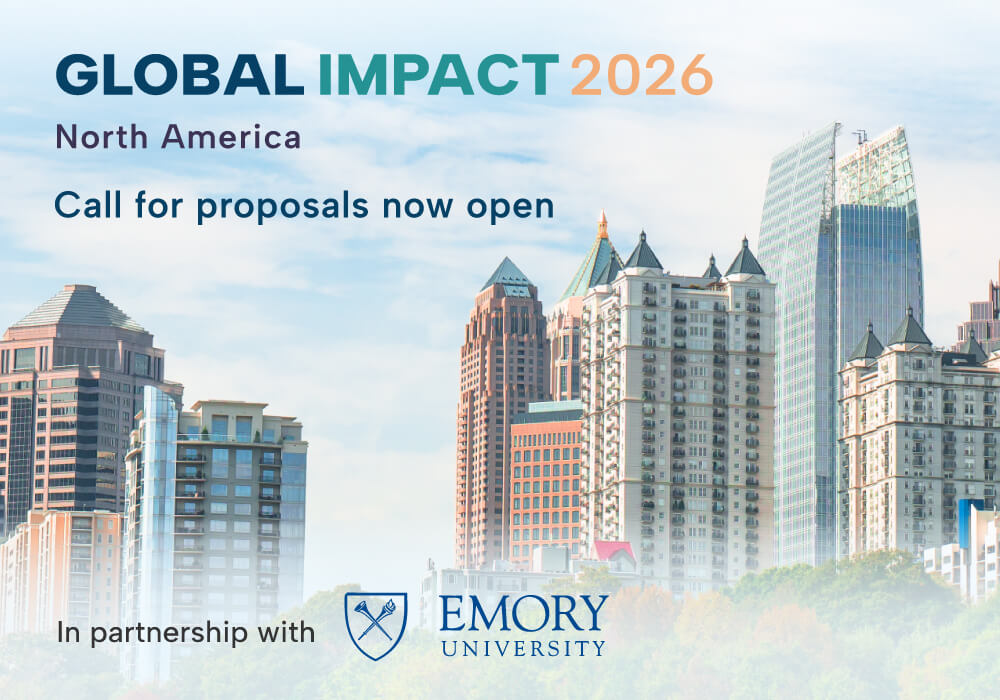
Why You Should Submit a Proposal for the 2025 Global Impact Conference
By Eden Taylor, Community Engagement Manager, DA Global Access Network
Higher Education is at a turning point. Institutions are being asked to do more for more students—with fewer resources. In this evolving landscape, the role of global education must be reimagined. It’s no longer just about where students go—it’s about how global learning drives academic success, professional growth, and institutional effectiveness.
The Global Impact Conference (GIC) is where that future takes shape.
This is not just another conference. It’s a dynamic, solutions-driven experience designed to bring together professionals across international education, student affairs, academic affairs, inclusive excellence, and beyond to innovate and explore how global learning connects with the big priorities shaping higher education today.
The call for proposals submission deadline for Global Impact 25 is May 9th. Here’s why your voice belongs on this stage, virtually or in-person:
1. Amplify Your Impact & Thought Leadership
This conference is designed for professionals who want more than surface-level takeaways. It’s a place to go deeper— to explore the structures, strategies, and stories that drive meaningful outcomes—from retention and belonging to career readiness and community impact. Presenting at GIC is also an opportunity to gain recognition as a thought leader in global education.
2. Present Across Campus Boundaries
Some of the most transformative proposals come from cross campus collaborations—global education, advising, career services, faculty development, and more. GIC is a space to showcase what’s possible when institutions work holistically to support students through global learning.
3. Contribute to a Community Focused on Inclusive Global Engagement
GIC was built on the belief that global learning must be accessible and meaningful for all students—not just a select few. If your work advances inclusive access to global experiences, truly supports all learners, or bridges global learning with student success, we want to hear from you.
4. Navigate New Terrain with Confidence
In a time of shifting political, institutional, and global dynamics, , GIC offers a space for professionals to reflect, learn, and lead with clarity. It’s a supportive environment where emerging ideas are welcomed, challenges are discussed openly, and hard questions spark meaningful dialogue.
5. Grow with a Purpose-Driven Network
Whether you’re early in your career or a seasoned practitioner, you’ll leave GIC with fresh insights, new collaborators, and a renewed sense of purpose. It’s not just about professional development—it’s about being part of a movement that shapes the future of global education.
The Global Impact Conference – Where Global Education & Success Meet – is the learning experience for all international educators. If you’re ready to shape the future of global education—join us.
The 2025 Global Impact Conference will be held October 28 -31, 2025 in Minneapolis, Minnesota with virtual pre-conference sessions on October 8-9, 2025.
Submission Deadline: Friday, May 9th, 2025.
Submit your proposal today: conference.daglobal.org/proposals
by AMANDADEBLAS@GMAIL.COM | Mar 11, 2025 | Articles, Fundamentals, News & Updates
By Victoria Pope, Manager of Membership & Programming, DA Global Access Network
Introduction
DA Global convened a panel of prominent leaders in higher education in a virtual discussion titled “Resilience in Action: Advancing Global Opportunities for All Students Amid Uncertainty” to examine the immediate impacts of executive orders and policy changes enacted by the second Trump administration. These policies target initiatives related to diversity, equity, inclusion, and accessibility (DEIA) as well as immigration policies affecting student populations. The abrupt enactment of these orders has created a rapidly evolving environment, necessitating innovative strategies to uphold inclusive practices while complying with new regulations.
The panelists, representing both public and private universities, shared strategies their institutions have adopted to navigate executive orders affecting DEIA, immigration, and federal funding. This article explores key challenges and institutional strategies, emphasizing resilience, adaptability, and the core mission of international education: serving all students and expanding global opportunities.
DA Global acknowledges that the panel discussion and this summary do not constitute legal guidance. Institutions should conduct due diligence in assessing the best approaches for their specific needs. Readers may also find a brief timeline of events leading up to and following this article with links.
Key Challenges and Current Concerns
Disruption of Government Services
Concern: The closure of government departments and layoffs of personnel who support essential student services, such as visa processing, may create significant obstacles for students entering or remaining in the United States for their studies.
Suggested Strategies:
- Establish clear internal communication channels to ensure timely updates on policy changes.
- Encourage staff to subscribe to relevant email listservs, news alerts, and government notifications.
- Leadership might consider designating specific information sources to specific team members to help mitigate the labor or anxiety of news overload. Staying informed is a balance of receiving correct information in the right amounts that allow for accurate dissemination of facts.
- Form working groups focused on legal policies surrounding immigration, study abroad, and research to facilitate proactive planning.
Impact on International & Undocumented Students
Concern: New policies raise concerns about maintaining safe environments for international and undocumented students and securing funding for programs supporting underrepresented student groups.
Suggested Strategies:
- Provide students with clear and accessible information regarding their legal rights on and off campus.
- Encourage students to carry updated identification and maintain current institutional records.
- Offer specialized guidance to DACA and TPS students regarding potential travel risks.
- Train staff on their role when engaging with immigration officers and designate a knowledgeable spokesperson for such situations.
Reorganization of Departments & Initiatives
Concern: Federal funding cuts and restrictions on DEI practices have forced institutions to reassign staff, seek alternative funding sources, and ensure continued student support.
Suggested Strategies:
- Align initiatives with institutional mission statements to comply with policy shifts while preserving inclusion efforts.
- Highlight the benefits of global education as it directly relates to career readiness, building transferable skills, and high-impact practices (HIPs) (AACU, High Impact Practices) to prepare students for global careers.
- Utilize frameworks such as the UN Sustainable Development Goals to shape global education programs.
- Build alliances across departments to integrate inclusion efforts into broader institutional goals.
- Student identities are composed of a variety of parts that influence their access to opportunities. Institutions may consider strategies that further highlight how intersectionality of identities are influential as students pursue opportunities to further their educational goals.
Prohibition of Equity-Focused Practices
Concern: Executive orders banning race-based policies in hiring, promotion, and admissions have led to the dismantling of DEI offices, which previously addressed disparities in study abroad participation.
Suggested Strategies:
- Reframe identity guides as health and safety resources to provide essential support for students of all backgrounds.
- Emphasize the importance of equitable access to resources in international education.
- Develop creative approaches, within the bounds of institutional policies, to ensure students receive inclusive guidance and support for their global education experiences.
Gender Identity and Documentation Challenges
Concern: The revocation of the gender marker “X” on U.S. passports has created barriers for nonbinary and transgender students, impacting their ability to travel abroad and access legal documentation that aligns with their identity.
Suggested Strategies:
- Inform students that existing “X” gender marker passports remain valid until expiration but cannot be renewed under the same designation.
- Provide guidance on alternative documentation options, including legal name and gender marker changes, where applicable.
- Work with education abroad programs to ensure students understand gender-related legal and cultural considerations in host countries.
- Establish institutional support networks,to assist students in navigating these challenges.
- Advocate for continued dialogue with federal agencies and policymakers to address the impact of these policy changes on gender-diverse students.
Faculty and Staff Retention Challenges
Concern: The policy shifts have created an uncertain environment, affecting faculty and staff morale and recruitment, particularly for professionals committed to DEIA efforts.
Suggested Strategies:
- Enhance staff engagement through professional development opportunities and mentorship programs.
- Promote flexible work arrangements to accommodate staff well-being and retention.
- Strengthen cross-campus collaborations to integrate inclusive practices into broader institutional objectives.
- Providing clear communications regularly to staff so that they have updated information on a regular basis.
Reframing Goals Around Belonging
Concern: With DEIA initiatives facing increased scrutiny, institutions must find new ways to foster belonging among students while ensuring compliance with evolving policies.
Suggested Strategies:
- Utilizing the UN Sustainable Development Goals (SDGs): Aligning global engagement initiatives with SDGs allows institutions to promote belonging through universally accepted frameworks like quality education, gender equality, and reduced inequalities.
- Shifting to Career Readiness and High-Impact Practices (HIPs): Positioning global education as a tool for career success ensures inclusivity and belonging by framing study abroad as an essential professional development opportunity.
- Expanding Cross-Departmental Collaborations: Integrating belonging-focused initiatives into student success, mental health, and career services broadens institutional support and embeds inclusivity into the campus culture.
- Embedding Global Education in First-Year Experiences: Introducing study abroad and global learning opportunities early in students’ academic journeys increases accessibility and helps normalize participation across diverse student populations.
- Reframing Student Support Resources: Rather than categorizing resources under DEI, institutions can frame relevant support services around student well-being, health and safety, and success outcomes to maintain inclusivity while ensuring compliance.
Audience Questions & Expert Insights
During the panel discussion, audience members raised critical questions about the long-term impact of policy shifts on international education programs. Below are some key questions and expert responses:
- How will programs like Fulbright and Gilman be affected?
- While unclear at the moment how federally funded programs such as these that are aimed at strengthening relations with diverse cultures will be affected, it is possible that federal funding for international exchange programs could be reduced or funding temporarily paused for review. Institutions should closely monitor developments and seek alternative funding sources where possible. The need to collaborate with each institution’s government relations team is imperative in order to ensure these concerns are reaching representatives of each state.
- What legal guidance is available for institutions navigating anti-DEI laws?
- Institutions should consult legal counsel to ensure compliance while preserving student support initiatives within legal frameworks.
- What steps should institutions take to safeguard international students’ legal status?
- Institutions should proactively inform students of changes, provide legal resources, and collaborate with advocacy organizations.
- How can universities continue promoting inclusive education despite DEI restrictions?
- By reframing initiatives to focus on universal student success, career readiness, and global engagement, universities may be able to maintain inclusive practices without violating policy mandates.
- How do these executive orders impact institutional funding for diversity scholarships?
- Many race-conscious scholarships may be deemed discriminatory under new policies, requiring institutions to explore alternative merit-based or need-based funding models.
- How should faculty and staff handle potential ICE interactions on campus?
- Institutions should establish clear protocols and designate legal representatives to manage interactions with immigration authorities, ensuring student and staff rights are protected.
Conclusion
The evolving policy landscape presents a complex challenge for higher education institutions. It requires not only compliance with new regulations but also a commitment to sustaining meaningful global learning opportunities. As institutions navigate these shifts, they must balance adaptation with maintaining their core values of access, inclusion, and student success.
DA Global remains committed to supporting institutions through innovative solutions, actionable insights, and a collaborative network of educators, policymakers, and employers. In alignment with this mission, we have attached a worksheet to help institutions begin brainstorming and developing actionable strategies. This resource provides guiding questions to assist teams in evaluating their institutional landscape, strengthening current practices, and identifying sustainable approaches to inclusive global education. This tool serves as a potential starting point for deeper reflection and strategic planning, aiming to leverage global education as a tool for student success so that institutions can ensure inclusive international opportunities remain available for all students despite shifting policy landscapes.
DA Global reiterates that this article summarizes a panel discussion that took place shortly after President Trump issued executive orders in late January and the Department of Education released a Dear Colleague letter on February 14, 2025. Below, you may find a general timeline of events as they have occurred and continue to develop.
Timeline:
- January 20, 2025: President Trump issues Executive Order 14151, aiming to end diversity, equity, and inclusion (DEI) programs in the federal government.
- January 31, 2025: A group of state attorneys general, including those from issue a joint statement titled “Multi-State Guidance Concerning
- Diversity, Equity, Inclusion, and Accessibility Employment Initiatives” opposing the executive orders related to diversity, equity, and inclusion (DEI) initiatives
- February 3, 2025: Various DEI advocates, in conjunction with the National Association of Diversity Officers in Higher Education (NADHOE), released a statement and filed a lawsuit challenging EO 14151 and EO 14173 in federal court in Maryland.
- February 14, 2025: The Department of Education’s Office for Civil Rights issues a Dear Colleague letter clarifying nondiscrimination obligations under Title VI.
- February 19, 2025: A hearing is held in the Maryland federal court regarding the lawsuit challenging the executive orders.
- February 21, 2025: A federal district court in Maryland issues a preliminary injunction, partially halting the implementation and enforcement of EO 14151 and EO 14173.
- March 1, 2025: The Department of Education releases Frequently Asked Questions (FAQs) to provide additional guidance related to the February 14th Dear Colleague letter.
As the landscape and circumstances continue to evolve, we encourage each institution to conduct due diligence by researching the most current policies and keeping their student and staff populations informed. DA Global reminds readers that this article summarizes a panel discussion where institutional leaders shared opinions and strategies their institutions are pursuing. This article does not provide direct guidelines for action. DA Global welcomes comments, concerns, and feedback regarding strategies institutions are implementing as they navigate these complexities.
by AMANDADEBLAS@GMAIL.COM | Feb 28, 2025 | Articles, Public
1. Why has Diversity Abroad rebranded to DA Global Access Network?
Since 2006, Diversity Abroad has championed global student success by diversifying access to the academic, personal, and career benefits of international education. Over the years, our mission and impact have grown beyond study abroad to encompass all aspects of global education: Education Abroad, International Students & Scholars, Global Engagement at Home, and Professional Success in International Education. The shift to DA Global Access Network (DA Global) reflects the breadth and evolution of our work and a step forward in our mission to unlock global opportunities for all.
2. Has DA’s mission changed with the rebrand?
Our overall mission remains the same: empowering educators, institutions, and students to thrive through expanded access to global education. The rebrand expands on our original mission and amplifies our commitment, ensuring we can better serve the diverse needs of the global education community.
3. Will the services and resources DA has offered in the past still be available?
Absolutely. Membership and events will continue to be core to our organization along with the many programs, resources, and opportunities we have offered as Diversity Abroad for nearly two decades. Under DA Global, we will build upon the traditional diversity & inclusion related events and tools to now include programs and resources related to our expanded areas of engagement: Global Education & Student Success Alignment, Health, Safety, and Well-being, Partnership Development, and Employee Recruitment & Success.
4. Are there additional name changes?
The good news is our signature events and programs are here to stay, but some with new names. Members will now be known as DA Global Members. Currently we host two events solely focused on inclusive excellence in international education, the Global Inclusion Conference and the Global Inclusion Regional Summit. Going forward, the Global Inclusion Conference will now be known as the Global Impact Conference, and broaden its scope to center the intersection of inclusive access to global educational opportunities and student success (learn more about this change) . The Global Inclusion Regional Summit will not change and will continue to focus solely on inclusive excellence in global education. These programs and events will continue to serve as leading platforms for collaboration, innovation, and advancing opportunity in global education.
5. What does the rebrand mean for students engaging with BeGlobalii.com or other DA Global resources?
The rebrand allows us to better connect with a broader range of students, extending beyond those focused solely on study abroad. Through BeGlobalii.com, which replaced DiversityAbroad.com in May 2024, we aim to empower students with the tools they need for lifelong success—whether they’re exploring international experiences, navigating college, or pursuing global careers. Learn more about our student learning & support opportunities.
6. Will DA Global’s headquarters or leadership team change?
No, our headquarters remains in Berkeley, CA, and we are the leadership remains the same. With team members based in the U.S. and Europe, DA Global operates as a truly international organization, reflecting the global nature of our work. As of the new brand launch, team members’ email domains will transition from @diversityabroad to @daglobal.org.
7. What’s new on the DA Global website?
Among other leading organizations in the international education space, DA Global uniquely serves the broadest set of audience groups. Our new website makes it easier for partners, educators, students, and other stakeholders to navigate to the content that is most valuable to them.
7. There have been several changes, what are the websites DA Global operates?
Here are the major changes that go into effect on Monday, March 3, 2025.
(OLD) diversityabroad.org > (NEW) daglobal.org
(OLD) diversityabroad.com > (NEW as of May 2024) BeGlobali.com
(OLD) jobs.diversityabroad.org > (NEW) jobs.daglobal.org
(OLD) conference.diversitynetwork.org > (NEW) conference.daglobal.org
8. Will members be able to access member only resources and learning opportunities?
Yes! Through the Member’s Hub, members will maintain access to exclusive resources, learning opportunities, and account management features.
9. How does DA Global ensure inclusivity in its programs, despite external challenges?
DA Global is steadfast in our commitment to student success in global education. Regardless of political or societal challenges, we will continue to innovate and advocate for legal inclusive practices in global education, ensuring our programs are accessible for all.
10. How can I continue to support DA Global?
Join us in celebrating this exciting new chapter! Explore the new DA Global website, engage with our programs, and share the news within your networks. Together, we can inspire even greater success through inclusive global education.
If you have additional questions, please contact us directly at members@daglobal.org. We are excited to continue this journey with you, advancing success through global education for all.